Balancing Work and Play on a Workation
The greatest risk of a bleisure trip is failing at both components: delivering sub-par work due to distraction, while simultaneously missing out on leisure due to persistent professional anxiety. The promise of working from an exotic location is alluring, but realizing that promise requires disciplined boundary-setting and strategic spatial utilization. Achieving a sustainable balance is a psychological and logistical challenge.
Psychological Compartmentalization
When your office is a hotel room just steps away from a pristine beach or a vibrant city center, the cognitive boundary between "on the clock" and "off duty" blurs. Psychological compartmentalization is the practice of creating artificial barriers to replicate the separation of a traditional commute.
Successful remote workers often employ transition rituals. This might involve changing clothes immediately after the final email is sent, taking a brief 15-minute walk around the hotel grounds to simulate a commute, or physically closing the laptop and placing it in a drawer out of sight. By actively signaling to the brain that the workday has concluded, travelers can engage more deeply with their leisure activities without lingering thoughts of pending tasks.
Leveraging Hotel Layout Psychology
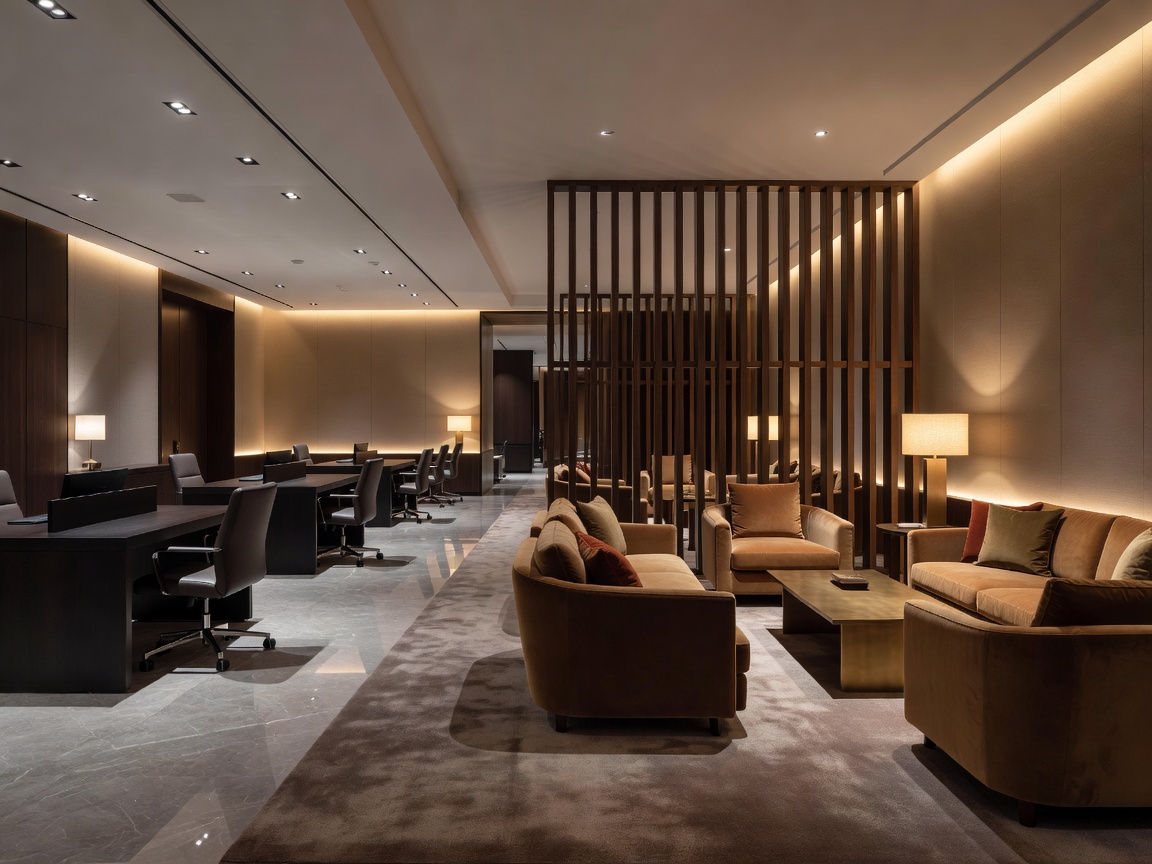
The physical design of a hotel can heavily influence behavior. If a traveler works, eats, and sleeps in the exact same 30-square-meter room, feelings of claustrophobia and burnout are highly probable. Leading bleisure properties are designed with distinct zones to combat this.
Professionals should actively utilize the entire property to separate functions:
- Deep Work: Conducted in the privacy of the suite or a dedicated quiet pod.
- Collaborative/Casual Work: Shifted to the lobby lounge or hotel cafe to introduce ambient noise and a change of scenery.
- Relaxation: Confined to the pool area, rooftop bar, or off-property excursions.
By preventing the primary suite from becoming a multi-purpose trap, the environment remains conducive to rest when it is finally time to sleep.
Rigid Scheduling vs. Flexible Output
There are two primary scheduling philosophies for workations. The first is strict adherence to home-office hours. This works best when synchronous communication is mandatory. The professional locks in from 9:00 AM to 5:00 PM, treating the evening as pure vacation time.
The alternative is outcome-based flexibility, where the traveler breaks the day into blocks. For example, tackling deep-focus tasks from 7:00 AM to 11:00 AM, spending the mid-day exploring the city or hiking, and completing administrative tasks in the late afternoon. This approach requires clear communication with management and colleagues to set expectations regarding response times. Establishing auto-responders that indicate periods of deep work can alleviate the pressure of instant availability.
Social Integration and Isolation
Extended travel can paradoxically lead to isolation, even in heavily populated tourist areas. Engaging exclusively with screens during the day and ordering room service at night defeats the purpose of the trip. Balancing work and play also means actively participating in the local or hotel community.
Many modern workation hotels organize evening networking events, localized cooking classes, or group fitness sessions specifically designed for their long-term guests. Participating in these structured activities provides a hard stop to the workday and facilitates social interaction, grounding the traveler in their temporary home.
Conclusion
A bleisure trip should not feel like an endurance test. By establishing clear mental and physical boundaries, utilizing the full architectural footprint of the hotel, and communicating schedule expectations transparently, professionals can seamlessly pivot between high-level productivity and meaningful exploration.